Trusted Garage Door Pros in Buckeye, AZ
Welcome to your one-stop guide for garage door pros in Buckeye, AZ! Whether you need a quick repair, a new installation, or just some solid advice, you'll find trusted local folks right here.
Map of Businesses in Buckeye
All Listings in Buckeye
9 businesses
JCTZ Garage Doors
Garage door supplier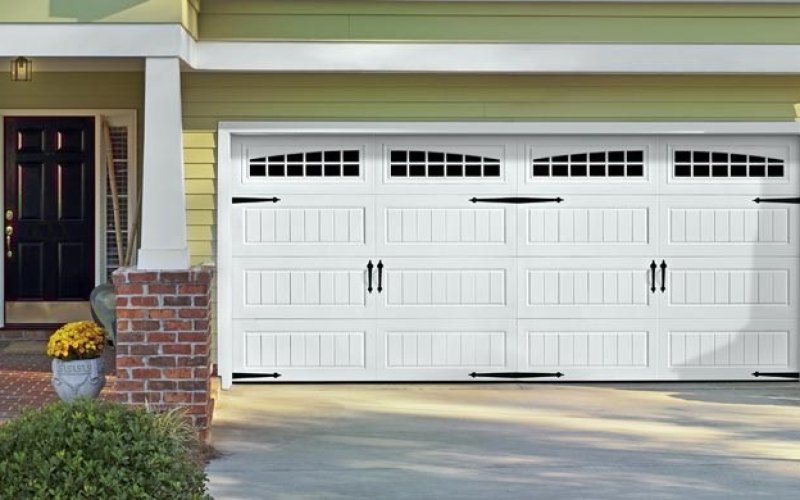
Phillips Overhead, Inc
Garage door supplier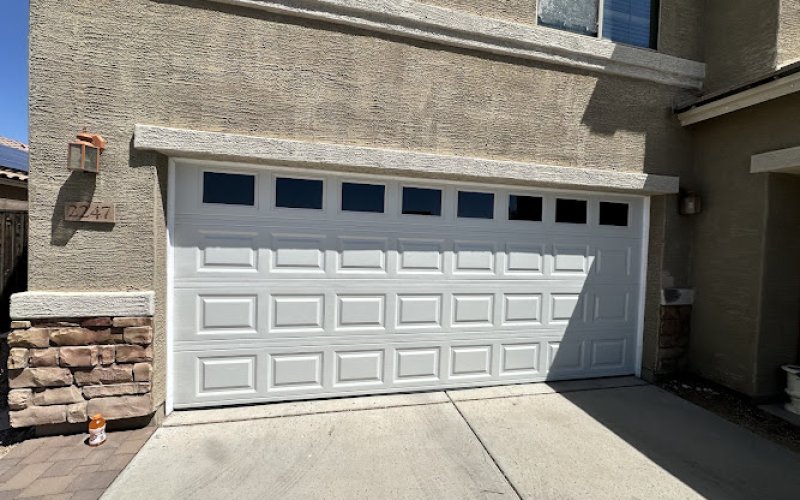
Wrangler Garage Doors
Garage door supplier
A1 Garage Door Service
Garage door supplier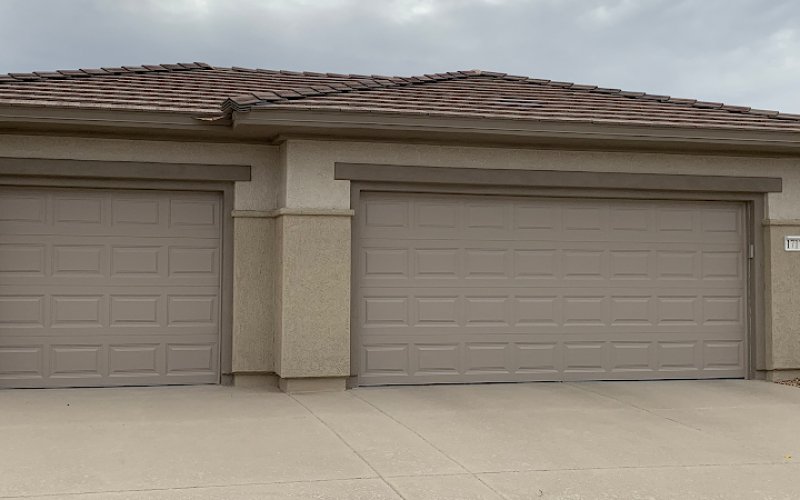
Avondale Garage Doors INC
Garage door supplier
F&J's 24 Hour Garage Door Service
Garage door supplier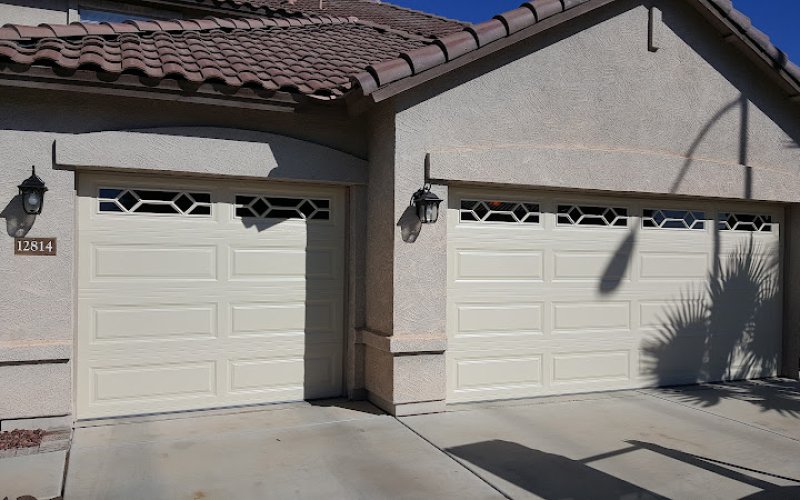
Palm Valley Garage Doors
Garage door supplier
Precision Garage Door Service of Phoenix
Garage door supplier
Hinged Overhead Door Company
Garage door supplierAbout garage doors in Buckeye
Here's something folks don't think about until it happens to them: a garage door spring that's been fine for a decade can snap on the one 115-degree afternoon in July, then again during that random cold snap in January when it dips into the 30s overnight. Buckeye's temperature swings are brutal on garage door hardware — the metal expands and contracts, lubricant dries out faster in the heat, and torsion springs that would last 12-15 years in a milder climate tend to wear out on the shorter end of that range out here. That's not a fluke. That's just what happens when you live in the far West Valley.
The Garage Doors market in Buckeye is small-to-mid-sized and pretty fragmented — you've got a handful of long-running local operations, some franchise-affiliated dealers, and a rotating cast of one-truck operators who show up in Google searches during peak season. Demand comes from three main places: homeowners with an aging door or opener finally giving out, new construction (and Buckeye has plenty of that, especially out toward Verrado and Tartesso), and people prepping a house for sale who know a dinged-up, dented door kills curb appeal fast. Real estate turnover alone drives a steady trickle of "just replace the whole thing before we list" jobs.
What makes this market a little different from, say, Phoenix or Scottsdale is the housing stock mix. You've got a lot of newer subdivisions with builder-grade steel doors that are maybe 8-15 years old at most, alongside older pockets near the historic downtown area with doors that have been patched and repainted more times than anyone can count. HOA rules in the newer master-planned communities also shape what people can even install — carriage-house styles and specific color palettes are often mandated, which narrows the options compared to a city with less HOA density.
Verrado
- Area Profile: Master-planned, higher-income, lots of families and newer builds with strong architectural guidelines.
- Garage Doors Activity: Carriage-style doors, smart opener upgrades, and insulated doors are the norm — not the exception. Replacement jobs here often come with a design consultation, not just a swap.
- Price Range: $1,200-$3,500+ for door replacement given the style requirements; opener upgrades often bundled in.
- Local Note: HOA design review can require specific panel styles and window inserts — factor in extra lead time for approval before install.
Sundance
- Area Profile: Established mid-2000s community, mostly working families, moderate income, houses now old enough that original equipment is aging out.
- Garage Doors Activity: A lot of spring replacements and opener repairs right now — this is prime "original door from when the house was built" territory.
- Price Range: $200-$450 for spring/cable repairs; $900-$1,600 for full steel door replacement.
- Local Note: Standard steel doors dominate; not much HOA pressure to go custom, so budget options are easier to find here.
Sun City Festival
- Area Profile: Active adult community, retirees, generally comfortable income, single-story homes.
- Garage Doors Activity: Smart opener installs are popular here — battery backup and app control matter to residents who travel seasonally and want to check on things remotely.
- Price Range: $300-$600 for opener upgrades alone; full door jobs run similar to citywide averages.
- Local Note: Quiet-operation belt-drive openers are frequently requested — nobody wants a chain-drive rattle next door in a 55+ community.
Historic Downtown Buckeye
- Area Profile: Older housing stock, more modest incomes on average, a mix of longtime residents and newer investment buyers renovating.
- Garage Doors Activity: Repair-first mentality — patch it, fix the spring, keep it going as long as possible before replacing.
- Price Range: $150-$400 for basic repairs; full replacements tend to be delayed until the door is truly beyond saving.
- Local Note: Some original doors here are decades old — parts availability can be a real issue, and techs sometimes have to get creative or recommend replacement simply because a matching part doesn't exist anymore.
📊 Current Price Points:
- Budget options: $150-$400 (spring/cable repair, sensor realignment, minor fixes)
- Mid-range: $700-$1,800 (opener replacement, standard steel door replacement — this is where most homeowners land)
- Premium: $2,500+ (custom wood or insulated carriage-style doors, Wi-Fi enabled smart openers with battery backup)
📈 Market Trends:
- Demand is steady with clear seasonal spikes rather than one long busy season — think of it as rolling waves tied to temperature extremes.
- Parts availability is generally fine for common brands, but older or discontinued door models can mean a wait for a matching panel.
- Pricing has been drifting upward gradually, mirroring general material and labor cost trends rather than anything Buckeye-specific.
- Summer heat stresses springs and openers (heat makes metal fatigue faster and lubricant break down), while the occasional winter cold snap causes a smaller but real bump in emergency calls.
- Routine, non-emergency jobs typically get scheduled within a few days to about two weeks depending on season; emergency spring repairs are often same-day or next-day.
💰 What People Are Spending:
- Spring replacement: $180-$350 — the single most common service call in this market.
- Opener replacement/install: $350-$700 including labor, more for smart/Wi-Fi models.
- Full door replacement: $900-$2,500 depending on material and insulation level.
- Custom carriage or wood-look insulated doors: $2,500-$5,000+, common in Verrado and similar communities.
Economic Indicators: Buckeye has been one of the faster-growing cities in the West Valley for a while now, with new residential development pushing outward toward Tartesso, Verrado, and the areas along the I-10 corridor. That growth means a steady supply of newly built garages needing first-time door and opener installs, which balances out the older-stock repair work happening closer to downtown. Income levels vary widely by neighborhood — some of the master-planned communities skew upper-middle income, while older sections of town run more modest — so the market naturally splits between premium custom work and budget-conscious repair.
Local Market Dynamics: Demand here is driven less by trend and more by necessity — a broken spring doesn't care what year it is. That said, smart opener adoption has been climbing steadily as more homeowners want app-based control and battery backup (useful during monsoon season power blips). Competition is fragmented: a few established local companies with real reputations, several regional or franchise dealers, and a churn of smaller outfits that come and go. No single player dominates the whole city.
How This Affects Buyers/Customers: Practically speaking, this means it pays to shop around a little rather than just calling the first name that pops up. A homeowner in Sundance dealing with a snapped spring on a Sunday will pay a premium for same-day service — that's just how emergency trades work everywhere. But someone in Tartesso planning ahead for a new opener install has room to compare three quotes and probably save real money by not rushing.
Buckeye Seasonal Patterns:
- ☀️ Spring/Summer: Demand rises sharply once triple-digit heat sets in — doors that limped through mild winter weather start failing under thermal stress. Expect busier scheduling in June-August.
- 🍂 Fall: A calmer stretch. Temperatures moderate, fewer emergency calls, and companies are often more willing to negotiate on non-urgent installs.
- ❄️ Winter: Generally quieter, though cold snaps (even brief ones) can cause a short-lived surge in spring-related emergency calls as metal contracts and stiffens overnight.
- 📅 Peak months: Book early for summer installs if it's not an emergency — May is a good window before the heat really hits.
Timing Tips for Buckeye: The best general window for a planned replacement or opener upgrade is spring (March-May) or fall (October-November), when demand is lower and crews have more flexible scheduling. Same-day/emergency demand spikes hardest during the first heat waves of early summer and during any unusual winter cold snap. Routine jobs booked outside peak season often get done within a few days to a week; peak season can push that to two weeks or more for non-urgent work.
Smart Timing Tips:
- ✓ Get your annual tune-up in early spring, before summer heat stresses the system.
- ✓ If replacing before a home sale, start the process 3-4 weeks out — don't wait until the week of listing.
- ✓ Ask about off-peak pricing in October and November — some companies are more flexible then.
- ✓ Keep a technician's number handy year-round; a snapped spring never waits for convenient timing.
Credentials to Verify: In Arizona, garage door contractors doing structural installation work generally need a license through the Arizona Registrar of Contractors (ROC) — it's worth confirming a company's ROC license number and checking its status directly. Manufacturer authorization (being a certified Clopay, Amarr, or Wayne Dalton dealer, for example) is a good secondary signal of legitimacy and often means better warranty support. Membership in a trade group like the International Door Association (IDA) is another positive marker, though plenty of solid small operators aren't members and that alone shouldn't be disqualifying.
Questions to Ask:
- How long have you worked specifically in the Buckeye area?
- Can you provide references from recent local jobs?
- Is pricing itemized in writing before work starts, including parts and labor warranty terms?
⚠️ Red Flags Specific to Buckeye Garage Doors:
- Quoting an unusually low price over the phone, then piling on "required" charges once the tech is on-site — classic bait-and-switch on spring or opener jobs.
- Pushing a full door replacement when a simple spring or cable repair would've solved it.
- No permanent local address, or a phone number that routes to a generic call center rather than a real local office.
- Technicians handling high-tension torsion springs without visible safety gear or proper technique — this is a genuine injury risk, not just a red flag for shoddy work.
Where to Check Complaints: The Arizona ROC website lets you search complaint history against a license number. BBB profiles are useful for a general pattern check. On Google and Yelp, look less at the star average and more at whether recent reviews mention pricing surprises or no-shows — that pattern matters more than one bad review from years ago.
✓ Established presence in Buckeye — not a truck that just happens to cover the whole Valley.
✓ Verifiable local reviews and references, not just a handful of five-star ratings with no detail.
✓ Transparent pricing with no vague "we'll know when we get there" answers.
✓ A clear explanation of the process before you commit to anything.
✓ Communication that's responsive — if they're slow to call back before you've paid them, that won't improve after.
Refusal to put pricing in writing before starting work.
No verifiable ROC license when the job involves structural installation.
Pressure tactics pushing immediate full replacement without explaining cheaper repair options first.
Unwillingness to explain warranty terms clearly or in writing.
Check Reviews & Ratings
We recommend verifying businesses through trusted review platforms before making a decision.
Frequently Asked Questions
Popular Categories in Buckeye
Explore Other Cities
🚪 Garage Door Pros near Buckeye
Professional Categories in Buckeye, AZ
Related Services from Similar Professionals